Zara Schmitz · 2 September 2026
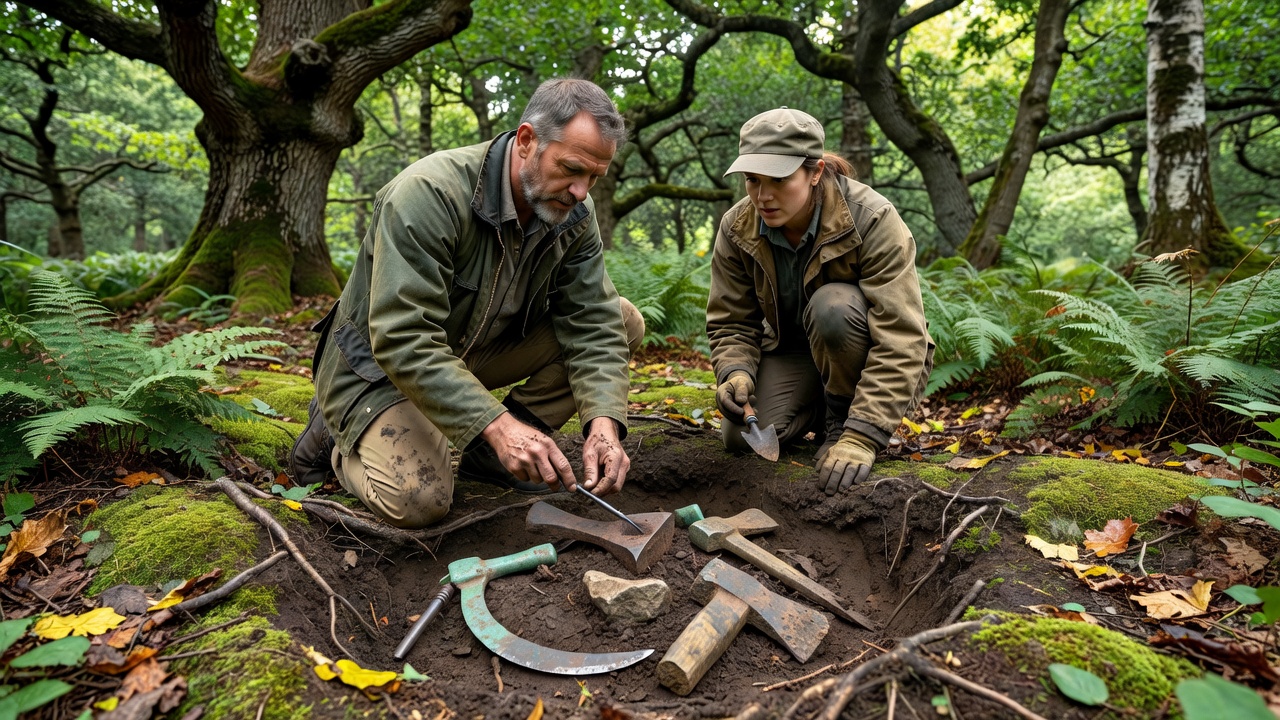
Archaeologists have discovered a collection of ancient stone tools during a recent excavation in the Iriswood woods. The findings, which include hand axes and scrapers, are believed to date back several thousand years and provide new insights into early human activity in the region.
Details of the Excavation
The excavation was led by a team from the regional historical society in partnership with local volunteers. Work began last month after preliminary surveys identified promising locations near a former riverbed. Researchers employed non-invasive techniques such as ground-penetrating radar before careful manual digging revealed the artifacts. The tools were found in stratified soil layers, suggesting multiple periods of use. Preliminary analysis indicates the materials originated from local quarries, pointing to established resource networks among prehistoric groups. Community members have been invited to view the items at a temporary display in the Iriswood community hall while laboratory testing continues.
Preservation efforts are underway to protect the site from erosion and unauthorized access. Experts note that the dense forest canopy helped maintain stable conditions that preserved the organic residues on several tools. Further studies will examine microscopic wear patterns to determine specific functions, such as woodworking or hide processing. These investigations may clarify how early inhabitants adapted to the local environment of mixed woodlands and meadows.
Impact on Local Understanding
The discovery enhances appreciation for the deep history embedded in Iriswood nature areas. Residents have expressed interest in educational programs that connect the artifacts to ongoing conservation initiatives. Such programs could foster greater stewardship among younger generations. Officials emphasize that the woods remain open for hiking and recreation, with temporary fencing around the active dig site only. Future plans include interpretive trails highlighting both natural features and cultural heritage. This balanced approach supports the community's dual focus on environmental protection and historical awareness. Additional funding from regional grants will support expanded research and public outreach over the coming year.